


2026
Is Your Garden Attracting Pests? If So, Avoid These Early-Season Mistakes
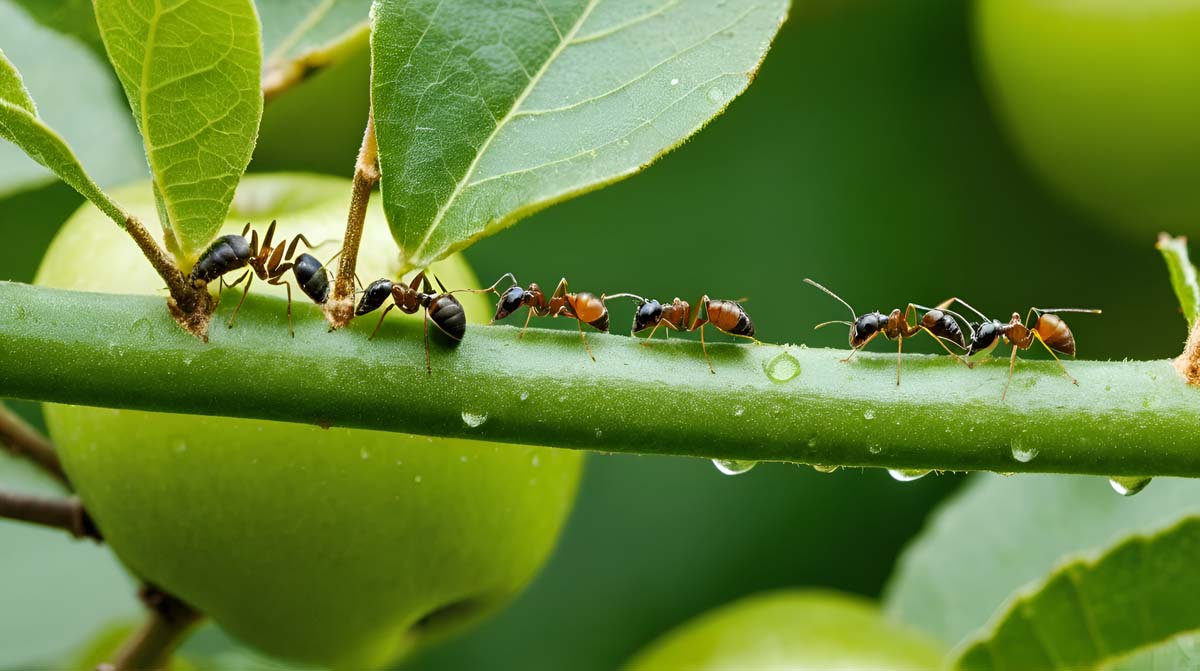
As a home gardener in Greater Vancouver, you spend countless hours during the spring of 2026 perfecting your outdoor oasis.
However, while you are busy tending to your vibrant flower beds and lush shrubs, it is easy to overlook the very walls that serve as the backdrop to your garden. Your home's exterior plays a crucial role in protecting your property, and certain gardening habits can inadvertently compromise your building envelope by attracting unwanted pests.
By incorporating a few simple checks into your gardening routine, you can catch potential issues before they develop into a serious infestation.
Allowing Soil and Mulch to Accumulate Against the Siding
One of the most common early-season mistakes occurs when homeowners add fresh mulch or compost to their garden beds and allow the soil level to gradually rise.
If the soil comes into direct contact with your exterior finish, it can wick moisture upward into the structure. This constant dampness weakens building materials and creates an ideal environment for pests like carpenter ants and termites to take up residence.
This makes it crucial to maintain a clear gap between the ground and the bottom edge of your exterior walls to allow moisture to escape safely. You should manage your soil levels by following these spring maintenance steps:
- Ensure at least a few inches of clearance below the wall finish.
- Rake mulch and soil away from the foundation regularly to keep the base clear.
- Check that the ground slopes away from the house to facilitate proper drainage.
- Remove any fallen leaves or debris that accumulate at the bottom of the wall.
Keeping the base of your home clear is a straightforward task that yields significant benefits for the longevity of your exterior.
Planting Dense Vegetation and Vines Too Close to the Wall
Tall shrubs and climbing vines add incredible beauty to your landscape, but they can also hide potential problems if planted too close to the house. Dense foliage often traps moisture against your walls, creating a damp environment where mold, mildew, and insects thrive. Additionally, unchecked growth provides a natural bridge that allows pests to crawl directly onto your siding and into your eaves.
Ensuring adequate airflow between your plants and the wall is a simple yet effective preventative measure for every Vancouver homeowner. When performing your early-season pruning, keep these distance guidelines in mind:
- Prune branches so they are at least a foot away from the exterior wall.
- Use a trellis placed a few inches away from the wall for any climbing plants.
- Choose twining vines that wrap around supports rather than those that cling directly to surfaces.
- Regularly monitor the wall behind dense plants for signs of wear or moisture.
Maintaining a healthy distance between your garden and your home allows the walls to dry properly after a heavy Vancouver downpour. This practice helps preserve the integrity of your exterior finish while removing the sheltered pathways pests use to access your home.
Ignoring Leaky Exterior Faucets and Poor Drainage
In our rainy climate, moisture is the most significant factor affecting buildings and attracting pests. Frequent use of garden hoses and exterior faucets can lead to continuous dampness if leaks are present, causing the surrounding materials to soften or deteriorate. Even minor drips from a spigot can provide the moisture necessary for a pest colony to flourish.
Addressing plumbing leaks and drainage issues promptly is essential to protect your home's exterior from moisture-seeking insects. You should evaluate your water sources by checking these specific trouble spots:
Verify that your gutters and downspouts are clear to prevent water from overflowing near the foundation.
- Check for any dripping when the faucet is turned off.
- Inspect the area around exterior faucets for signs of crumbling or softening material.
- Ensure the caulking around your pipes and fixtures is intact and flexible.
A well-maintained exterior not only saves water but also prevents the deterioration that invites pests. By proactively managing how water interacts with your property, you can prevent minor moisture issues from becoming major restoration projects.
Failing to Clear Debris and Rotted Wood from the Foundation
After a long winter, it is common to have piles of debris or rotted wood that need to be addressed. Leaving these materials near your foundation creates a breeding ground for a variety of problems that can compromise your home. When moisture is trapped under debris or old wood, it creates the perfect conditions for rot and pests to thrive.
Keeping the foundation unobstructed is a vital component of protecting your property from the damaging effects of high humidity. You should audit your foundation area by looking for these specific concerns:
- Sections where debris or fallen leaves have accumulated at the base.
- Rotted tree stumps or wood piles that are in direct contact with the ground and near the wall.
- Areas where the soil level has risen above the bottom edge of the wall finish.
- Signs of mold or mildew growth on the lower sections of the siding.
Managing the area around your foundation is an ongoing battle in British Columbia, but with the right strategies, you can protect your home. Taking the time to clear away these attractants ensures that your exterior remains secure and beautiful.
How Can You Best Protect Your Home and Garden?
Your home and your garden are both significant investments of your time and passion. By integrating these simple inspection and maintenance tips into your regular gardening routine, you can protect both simultaneously.
If you are unsure about the best prevention strategies for your specific needs, consulting with professional experts can provide additional and specific guidance.
Gilpin’s Pest Control is a family-owned business operating on the Lower Mainland in Greater Vancouver and the BC Interior including Kamloops, Revelstoke, and Sicamous. After 35 years in the business, we do a stellar job and are proud of our rapid response time.
If you have any questions about this article or you would like to talk to us about pest control needs, please call us toll-free at (800) 770-2428.