


2026
What Pests Thrive in Spring and How Can You Prevent an Infestation?
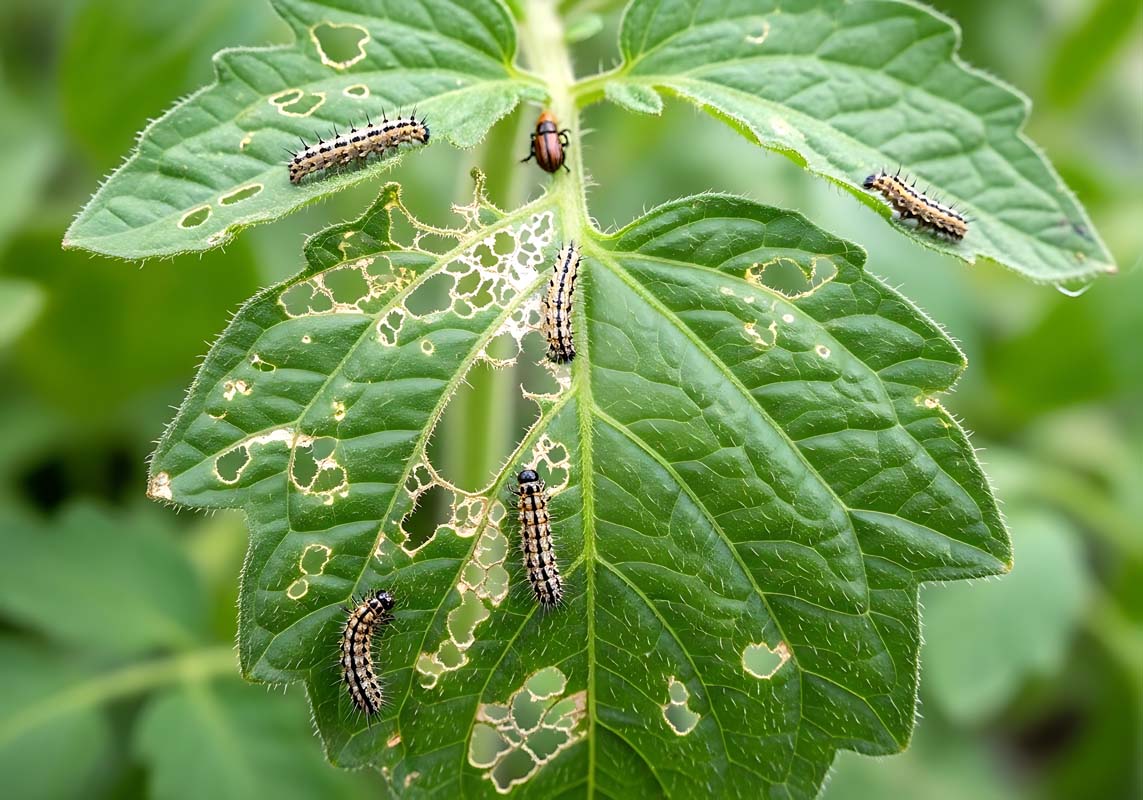
As the winter rain transitions into the milder days of spring 2026, homeowners across the Lower Mainland are eager to begin their seasonal upkeep. However, while we welcome the blooming gardens and longer days, the shift in weather also marks the return of various unwanted guests.
In British Columbia, the combination of rising temperatures and high humidity creates the ideal conditions for a wide range of pests to emerge from dormancy and begin seeking out new nesting sites.
Understanding which pests are most active during this time and taking proactive steps to protect your property is essential for maintaining a safe and secure home environment.
Identifying Common Spring Pests in the Lower Mainland
The transition into spring triggers a surge in biological activity across Greater Vancouver and the Fraser Valley. Identifying these pests early is the first step in managing a potential infestation.
- Carpenter Ants: These are particularly problematic in the spring. Winged individuals, known as swarmers, can appear as early as February but are most numerous in May as they search for new locations to establish colonies. They are attracted to moisture-damaged wood and can cause significant structural damage by tunneling through your home's framing.
- Termites: Spring marks the start of the swarming season for termites. These pests thrive in warm, moist environments and can go undetected for long periods while causing extensive structural issues.
- Rodents (Rats and Mice): While rodents often seek warmth indoors during the winter, they become more active after the thaw as they explore for new food sources and nesting dens. Warmer winters in 2026 have allowed these populations to survive longer and reproduce faster.
- Wasps and Bees: Overwintering queens emerge in early spring to begin building new nests under eaves, decks, and rooflines. Addressing these early prevents larger, more aggressive colonies from developing later in the summer.
- Overwintering Insects: Pests like stink bugs, boxelder bugs, and cluster flies that spent the winter hiding in wall voids or attics reemerge as the weather warms, often gathering around windows.
How Can you Prevent Infestation?
Now that we know a bit about what types of pests are common in spring, let’s look at how you can prevent an infestation.
Managing Foundation Clearance and Soil Levels
When you are tending to your garden beds or adding fresh mulch each spring, it is important to inspect the base of your home. Just as soil buildup can damage exterior finishes, it can also create a direct bridge for pests to enter your property.
If soil or mulch comes into direct contact with your siding, it wicks moisture upward, creating a damp environment that invites pests like moisture ants and termites.
To keep your foundation secure, keep these maintenance tips in mind:
- Ensure there are at least a few inches of clearance between the ground and your exterior wall finish.
- Rake mulch and fresh compost away from the foundation to prevent moisture buildup.
- Verify that the ground slopes away from your house for proper drainage.
- Remove any debris, fallen leaves, or old wood piles that accumulate at the base of your walls.
Eliminating Moisture and Sealing Entry Points
Moisture is a significant factor in attracting pests to your home, particularly in the damp climate of the Pacific Northwest. Pests like carpenter ants and silverfish are often drawn to areas with high humidity or wood rot.
Focusing on these key areas will help you maintain a watertight and pest-resistant building envelope:
- Regularly inspect and clean your gutters and downspouts to prevent water from overflowing near the house.
- Ensure all exterior caulking around windows and doors is intact and flexible, replacing any that has become hard or cracked.
- Seal any visible cracks or fissures in your foundation walls to eliminate entry points.
- Repair leaky exterior faucets and ensure proper drainage on all flat surfaces.
Landscaping and Vegetation Maintenance
Lush shrubs and climbing vines can enhance your property's aesthetic, but they can also hide potential problems. Dense foliage traps moisture against the walls and provides a sheltered pathway for pests to reach your upper windows and eaves. By managing your landscape, you remove the bridges that allow pests to bypass your home's exterior defenses.
Consider these steps when performing your spring yard work:
- Prune all branches and shrubs so they are at least one foot away from the exterior walls.
- Use a trellis placed a few inches away from the wall for climbing plants rather than letting them attach directly to the surface.
- Remove rotted tree stumps from the yard, as they can contain an abundance of wood-destroying insects.
- Check that your sprinklers are not spraying water directly onto the side of your home or foundation.
How Can You Protect Your Property and Peace of Mind?
Taking a proactive approach to home maintenance is the most effective way to prevent a serious infestation.
By catching minor issues like moisture buildup or structural cracks early, you can save yourself from the stress and expense of major repairs later in the year.
If you are unsure about the best way to protect your property, consulting with professional pest control experts can provide valuable guidance and long-term results.
Gilpin’s Pest Control is a family-owned business operating on the Lower Mainland in Greater Vancouver and the BC Interior including Kamloops, Revelstoke, and Sicamous. After 35 years in the business, we do a stellar job and are proud of our rapid response time.
If you have any questions about this article or you would like to talk to us about pest control needs, please call us toll-free at (800) 770-2428.